
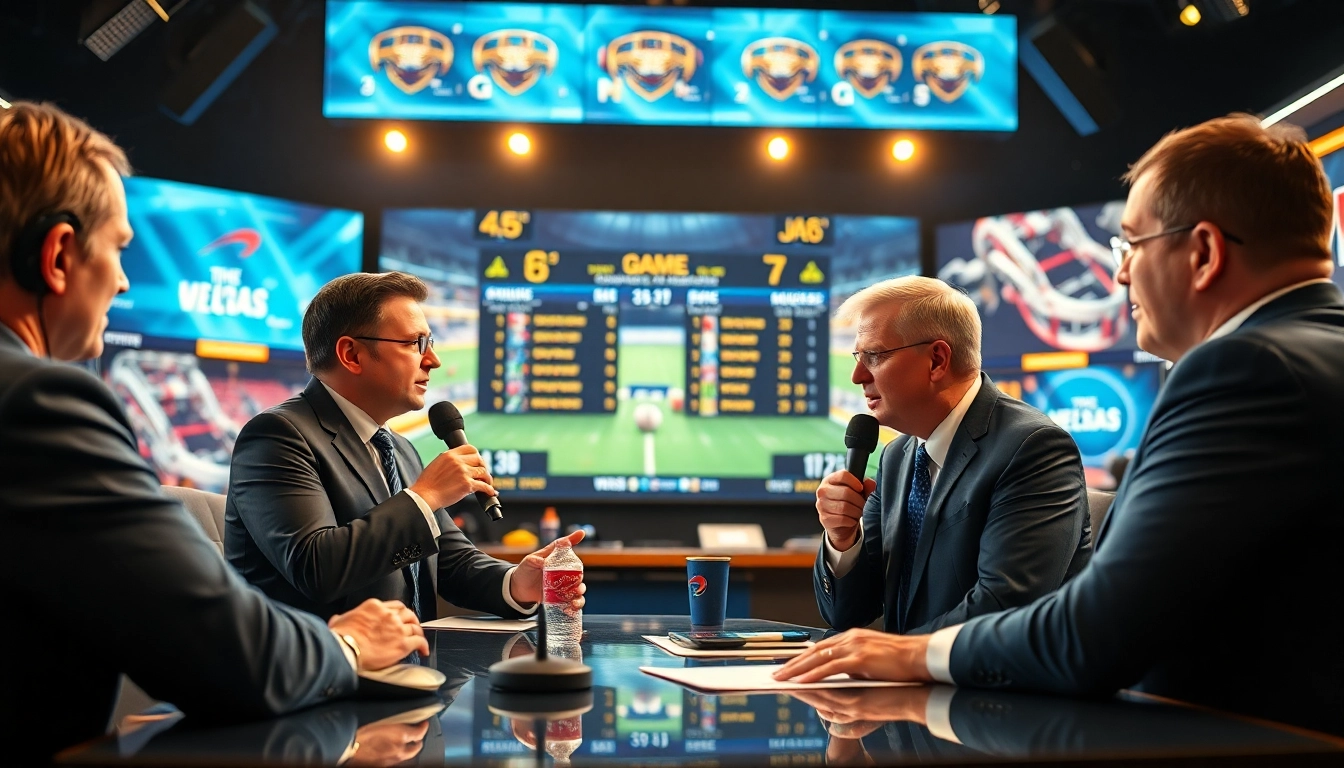
Understanding Sports Broadcasting
Definition and Scope of Sports Broadcasting
Sports Broadcasting refers to the dissemination of live and recorded sports events, news, and related content through various media platforms to engage audiences. This encompasses traditional television, radio, and modern streaming services, significantly impacting how fans consume sports content globally. The scope also includes commentary, analysis, and promotional material surrounding sports events, which create a rich viewing experience. The evolution of Sports Broadcasting continues to adapt to technological advancements, audience preferences, and market dynamics, making it a dynamic field within media and entertainment.
Historical Overview of Sports Broadcasting
The history of Sports Broadcasting dates back to the early 20th century, with its first significant breakthrough occurring when radio broadcasted a college football game in 1921. This marked the beginning of a transformative journey that would create vast audiences and set the stage for later developments. With the introduction of television in the 1950s, sports viewing exploded, creating a new way for fans to experience their favorite events at home. Major events such as the Super Bowl, Stanley Cup, and the Olympics became staple broadcasts, showcasing events in glamorous fashion. Over the decades, the integration of color television, satellite broadcasting, and later the advent of digital streaming has revolutionized how sports are consumed, with broadcasts now available on multiple devices.
Key Components of Sports Broadcasting
Several key components make up the framework of Sports Broadcasting, each contributing to the overall experience for viewers:
- Live Event Coverage: This includes the real-time broadcasting of games, races, or matches, capturing the excitement and unpredictability of sports.
- Commentary and Analysis: Expert commentators and analysts provide insights, recaps, and play-by-play reviews crucial for contextualizing the action for viewers.
- Pre and Post-Game Shows: These segments prepare viewers for the event and analyze performances once the game concludes, offering deeper engagement.
- Production Techniques: Utilizing camera angles, graphics, and sound effects to enhance the viewer experience significantly.
- Distribution Channels: Traditional TV networks, cable channels, and varying streaming platforms take center stage, each catering to niche audience preferences and accessibility.
Trends Shaping Sports Broadcasting
Emergence of Streaming Services in Sports Broadcasting
The rise of streaming services has reshaped the landscape of Sports Broadcasting dramatically. Platforms like Netflix, Amazon Prime, and dedicated sports networks such as ESPN+ and DAZN have entered the market, offering flexibility and personalized viewing options. Viewers can now consume content on-demand, bypassing traditional scheduled broadcasts. This shift has encouraged broadcasters to adapt their strategies, emphasizing live-streaming capabilities, and creating exclusive content to attract subscribers, ultimately changing revenue models in the sports industry.
Technological Innovations Enhancing Viewer Experience
Technology continues to innovate in ways that substantially improve the viewer experience. High-definition broadcasts, augmented reality, and virtual reality are making inroads in presenting sports events. Techniques such as Slow Motion Replays and 360-degree viewports allow fans a more immersive interaction with the events. The deployment of AI for personalized game highlights has also gained traction, catering to individual viewer preferences and tailoring content to their tastes. Thus, technological advancements are not just embellishments; they redefine how sports are consumed.
Influence of Social Media on Sports Broadcasting
Social media platforms like Twitter, Instagram, and TikTok play a pivotal role in today’s sports marketing and broadcasting strategies. They facilitate real-time engagement and discussion, giving athletes and teams direct avenues for communication with fans. Highlights, behind-the-scenes content, and live interactions contribute to a dynamic atmosphere that complements traditional broadcast outlets. Additionally, user-generated content allows fans to participate actively instead of remaining passive spectators, which ultimately increases the reach and impact of sports broadcasts.
Engagement Strategies in Sports Broadcasting
Interactive Content for Viewer Participation
To maintain interest in the competitive landscape of Sports Broadcasting, engaging content is paramount. Interactive content like polls, quizzes, and live Q&As fosters audience participation, allowing fans to feel a connection with their favorite teams and sports personalities. Platforms are now integrating social media into broadcasts, enabling viewers to voice opinions or influence certain aspects of the coverage, thereby enhancing investment in the viewing experience.
Utilizing Analytics for Content Customization
Data analytics has become an essential tool for understanding viewer preferences. By collecting and analyzing data on viewer habits, preferences, and engagement patterns, broadcasters can customize their content. This could range from offering tailored highlights to specific demographics to scheduling games that cater to the viewing habits of target audiences. Such personalization helps broadcasters retain viewers and fulfill their evolving needs effectively.
Collaborations with Influencers and Athletes
Collaborating with influencers and athletes proves to be a powerful strategy in modern Sports Broadcasting. These partnerships allow broadcasters to leverage the influencers’ reach and credibility within specific demographics. Influencers can share personal anecdotes, cover events live, or generate exclusive content, thus amplifying engagement. Broadcasts also evolve with athletes taking center stage in producing content, enhancing authenticity while connecting deeper with fans.
Challenges in Sports Broadcasting
Legal and Licensing Issues in Sports Broadcasting
The intricacies of legal and licensing issues present significant hurdles in Sports Broadcasting. Licensing rights, which dictate how content can be produced and disseminated, involve complex negotiations. With many broadcasters competing for rights to high-profile events, this can drive prices exorbitantly high. Moreover, piracy concerns necessitate robust strategies to safeguard content while maintaining accessibility for fans.
Adapting to Changing Viewer Preferences
Viewers’ preferences are indubitably shifting in this age of information, with younger audiences favoring on-demand content over traditional broadcasts. Broadcasters face continuous pressure to adapt to these evolving preferences, which may involve creating shorter highlight reels or engaging formats that fit the ever-decreasing attention span of viewers. The challenge lies in striking a balance between maintaining traditional broadcasting standards while meeting the expectations of modern consumers.
Maintaining Quality in High-Demand Situations
High-demand broadcast situations, such as classic rivalries or championship games, present challenges in ensuring consistent quality. The influx of viewers can overwhelm broadcasting infrastructure, potentially leading to crashing streams or poor-quality feeds. Broadcasters need to invest in robust technological solutions and strategic planning to prepare for peak viewing times, guaranteeing a high-quality experience for their audience no matter the circumstances.
Measuring Success in Sports Broadcasting
Key Performance Indicators in Sports Broadcasting
Measuring success in Sports Broadcasting is essential for ongoing adaptations and improvements. Key performance indicators (KPIs) such as viewership numbers, market share, and subscriber growth serve as vital statistics that inform decisions. Practitioners must continuously analyze these metrics to adjust strategies effectively and maintain competitive positioning in the market.
Fan Engagement Metrics and Their Importance
Beyond viewership numbers, assessing fan engagement metrics presents a fuller picture of success in Sports Broadcasting. This includes social media interactions, comment sections, and direct audience feedback. Understanding fan sentiment and engagement levels helps broadcasters gauge the effectiveness of their content strategies and refine approaches to enhance audience loyalty.
Future Outlook for Sports Broadcasting
The future of Sports Broadcasting holds immense potential, driven by evolving technology and shifting viewer preferences. Innovations such as AI, machine learning, and immersive experiences like VR will likely continue influencing broadcast strategies. The integration of these technologies can lead to tailored experiences that resonate with viewers, setting the stage for future developments that prioritized audience engagement while retaining authenticity and tradition.
Frequently Asked Questions
What is the primary purpose of Sports Broadcasting?
The primary purpose of Sports Broadcasting is to deliver live sports events and related content to audiences, enhancing entertainment and engagement.
How has technology changed Sports Broadcasting?
Technology has revolutionized Sports Broadcasting through streaming platforms, data analytics, and interactive features that enhance viewer experiences.
Why is audience engagement crucial in Sports Broadcasting?
Audience engagement is crucial as it retains viewers, increases loyalty, and promotes interactive experiences, essential for modern broadcasting success.
What challenges do broadcasters face today?
Broadcasters face challenges such as legal issues, adapting to viewer preferences, and ensuring high-quality broadcasts in a competitive environment.
What metrics should be analyzed in Sports Broadcasting?
Important metrics include viewer ratings, social media interactions, fan engagement levels, and advertising efficacy to measure broadcasting success.